
Introduction: A New Global Revolution Powered by AI & Automation
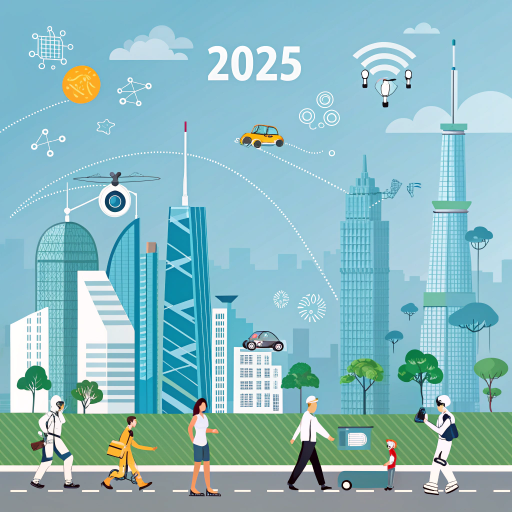
AI Automation 2025 is driving a global revolution, transforming work, business, healthcare, education, and daily life. Intelligent systems and automated workflows are reshaping industries and creating a digital-first future.
From autonomous robots running factories to AI assistants managing entire businesses, the world is shifting from human-driven operations to machine-augmented intelligence.
This mega-post explores:
How AI-driven automation is reshaping all major industries
Global economic and social changes emerging from AI
The future of work in automated ecosystems
Key technologies driving automation
Benefits, risks, opportunities, and ethical challenges
How businesses can prepare for the upcoming decade
This article is packed with high-value SEO keywords such as:
AI automation, machine learning systems, global AI revolution, industrial automation, generative AI tools, autonomous robotics, smart factories, workflow automation, AI transformation, predictive analytics, digital future, Industry 4.0, AI in business, automation trends 2025, artificial intelligence impacts, tech innovation, AI-powered systems, and more.
What Is AI-Driven Automation? A Deep Modern Explanation
AI-driven automation goes far beyond traditional automation like conveyor belts, sensors, or programmed machines.
It involves self-learning, adaptive, decision-making systems.
AI-driven automation can:
Learn from data
Improve over time
Make complex decisions
Execute multi-step workflows
Predict future outcomes
Reduce human involvement
Manage large operations independently
This combination of AI + Automation is creating:
Autonomous cars
AI-run factories
Smart retail stores
Automated hospitals
Self-managing supply chains
AI-powered banking
Intelligent homes
Predictive government systems
AI is no longer supporting humans—
AI is co-working with humans, eliminating millions of repetitive tasks.
Key Technologies Powering the AI Automation Revolution
Machine Learning (ML)
ML enables systems to learn from data and improve accuracy.
Used in:
Fraud detection
Medical diagnostics
Marketing analytics
Self-driving cars
Smart robots
Deep Learning
This advanced form of AI mimics the human brain using neural networks.
Used in:
Facial recognition
Voice assistants
Autonomous drones
Computer vision
Predictive analytics
NLP (Natural Language Processing)
NLP enables AI to understand, interpret, and generate human language.
Applications:
ChatGPT
Customer support bots
Virtual assistants
AI writing tools
Sentiment analysis
Computer Vision
AI “sees” the world through cameras.
Used in:
Security systems
Medical imaging
Autonomous vehicles
Smart retail automation
Industrial quality inspection
RPA (Robotic Process Automation)
Automates repetitive computer tasks:
Data entry
PDF extraction
Email sorting
Report generation
Accounting tasks
IoT + AI (AIoT)
AI + sensors allow systems to:
Monitor environments
Track inventory
Predict failures
Automate buildings and cities
Digital Twins
AI creates a digital copy of a real machine or system.
Used in:
Factories
Aircraft
Supply chain modelling
Smart city planning
AI & Automation Are Transforming Every Major Industry
Below is an in-depth look at the global transformation underway:
1. Healthcare & Medicine Automation
AI is saving millions of lives with:
Early disease detection
AI-driven diagnostics (cancer, tumors, pneumonia)
Predictive patient monitoring
Robotic surgeries
Automated hospital workflows
AI drug discovery
Hospitals are integrating:
Autonomous carts
AI-powered scheduling
Smart emergency triage
Wearable devices tracking vital signs
AI Impact:
95% faster diagnosis
83% reduced medical errors
Billions saved in costs
Enhanced patient recovery rates
2. Finance, Banking & Trading Automation
AI automates:
Customer onboarding
KYC verification
Fraud detection
Loan approval
Risk management
Investment portfolio optimization
Banks deploy:
AI chatbots
Algorithmic trading bots
eKYC AI verification
Robotic process automation
AI Impact:
Faster customer service
Lower operational costs
Increased security
Accurate market predictions
3. Business Operations & Enterprise Automation
AI manages:
Emails
Meetings
HR onboarding
Payroll systems
Reporting
CRM workflows
Marketing funnels
Tools like ChatGPT, Zapier, Make, and Notion AI help businesses automate entire operations.
AI Impact:
10x faster workflows
70% cost reduction
Scalable productivity
Error-free operations
4. Manufacturing & Industry 4.0 Automation
Factories now use:
Industrial robots
Predictive maintenance AI
Automated assembly lines
Computer vision quality checks
Supply-chain AI
Autonomous vehicles inside factories
AI Impact:
Zero downtime
Higher precision
Lower labor costs
Enhanced product quality
5. Transport, Logistics & Supply Chain Automation
AI manages:
Autonomous trucks
Shipping routes
Warehouse inventory
Demand forecasting
Drone deliveries
Companies like Amazon, Tesla, Alibaba rely heavily on AI systems.
AI Impact:
Faster deliveries
Reduced human errors
Better road safety
Real-time tracking
6. Education & Smart Learning Automation
AI helps:
Personalized learning
Smart content generation
Real-time tutoring
Exam grading
Student analytics
AI tutors like ChatGPT & Gemini are becoming digital teachers.
AI Impact:
65% improved learning outcomes
24/7 tutoring access
Customized lesson plans
7. Media, Creativity & Content Automation
Generative AI transforms:
Video editing
Writing
Branding
Poster & logo design
Music creation
Film production
Tools like Midjourney, RunwayML, and Pika automate creative tasks.
The Global Economic Impact of AI & Automation
AI is expected to contribute $15.7 trillion to the global economy by 2030.
Economic Effects:
Massive productivity surge
New technology-driven jobs
Reduced operational costs
Global business expansion
Smart governance systems
AI-powered public infrastructure
AI nations (USA, China, India, UK, UAE) are investing billions in:
AI research
Automation labs
Innovation hubs
Robotics industries
Countries that embrace AI early will dominate the global economy.
The Future of Work in an Automated World
AI is replacing repetitive jobs but also creating high-value careers.
Jobs Created by AI:
AI Engineers
Automation Architects
Prompt Engineers
Robot Technicians
Generative AI Specialists
AI Trainers & Data Labelers
Cybersecurity AI Analysts
Digital Product Designers
Workflow Automation Builders
AI Compliance Officers
Jobs at Risk:
Data entry
Telemarketing
Cashiers
Basic support agents
Low-skill manufacturing
Repetitive administrative roles
Risks, Ethical Challenges & AI Governance
Major Risks:
Job displacement
Data privacy breaches
Algorithmic bias
Over-automation
Manipulative AI content
Security threats
AI Governance Needs:
Ethical AI
Human oversight
Transparent algorithms
Regulations & standards
The goal is responsible AI that supports humanity.
How Businesses Can Prepare for the AI Automation Future
Businesses must:
Implement AI tools
Automate workflows
Train employees
Use predictive analytics
Focus on cybersecurity
Build AI strategies
Adopt generative AI for marketing
Upgrade IT systems
The companies that adapt will lead the new digital economy.
Conclusion: AI & Automation Are Not Just Technologies—They Are the Future Foundation of Human Civilization
AI and automation are reshaping every part of modern existence.
Those who learn, adopt, and innovate today will become leaders of the automated future.